
Plastering Services in Glastonbury
Everything Sequoia Plastering does, and what each job involves. Every service is carried out by Ben Redwood himself, across Glastonbury, Street, Wells and mid-Somerset.
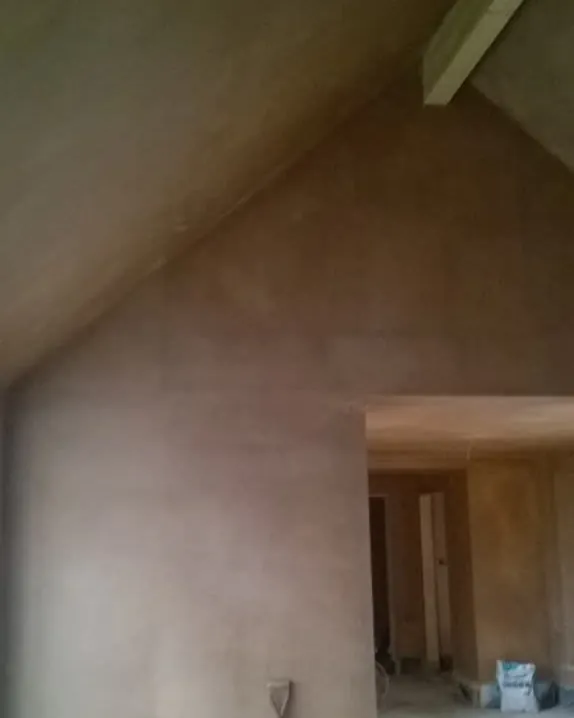
Plastering & Skimming in Glastonbury
Most plastering jobs in Glastonbury homes fall into one of two camps. If the existing plaster is sound but tired, cracked or uneven, a skim coat gives you a smooth new surface ready to decorate. It’s a thin finishing layer, usually 2 to 3mm. If the old plaster has blown, crumbled or come away from the wall, it has to come off, and the wall is plastered again from scratch with backing coats and a finish.
I’ll tell you honestly which one your walls need. Tapping a wall usually tells the story, because hollow-sounding patches mean the plaster has lost its grip. Skimming over that only traps the problem, so I won’t recommend it.
As well as houses, I plaster new builds, extensions and barn and loft conversions. Vaulted ceilings, deep window reveals and awkward angles are all part of the job.
- Re-skimming walls and ceilings
- Hacking off and re-plastering back to brick or block
- Skimming new plasterboard
- New builds, extensions and conversions
- Vaulted ceilings, reveals and beams
- Straight edges and crisp corners
Lime or cement render?
| Lime render | Cement render | |
|---|---|---|
| Best for | Older solid stone and brick walls | Modern cavity-wall houses |
| Moisture | Breathable: lets the wall dry out | Largely seals the surface |
| Movement | Flexible, moves with old walls | Rigid, can crack if the wall moves |
| Curing | Slower, needs the right weather | Quicker |
Rendering & Lime Rendering in Glastonbury
Render protects a wall from the weather and gives it a clean, even finish. On a modern house with cavity walls, a sand and cement or modern render system is usually the right choice.
Older Somerset buildings are different. Many cottages, farmhouses and townhouses around Glastonbury and the Levels have solid stone or brick walls with no cavity. They were built to let moisture in and out again. Seal them with a hard cement render and that moisture gets trapped, which is where a lot of damp problems in old houses begin. Lime render stays breathable, so the wall can dry out as it was designed to.
Before I recommend anything, inside or out, I’ll look at what the wall is made of and what’s on it now.
- External rendering
- Internal render coats
- Lime render for older solid walls
- Patching and re-rendering failed sections
- Advice on lime or cement for your building
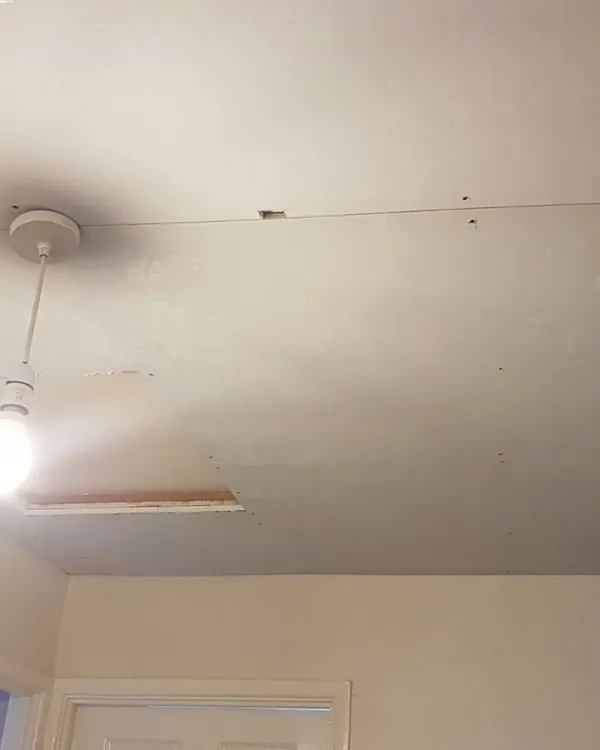
Dry Lining & Plasterboarding in Glastonbury
Dry lining means fixing plasterboard to a wall or ceiling instead of building up wet plaster from scratch. Boards can go straight onto a wall with adhesive, or onto battens where the wall is badly out of true. It dries far quicker, and it’s a good way to get a flat finish on walls that would need a lot of wet plaster to straighten.
Ceilings are the classic job. An old cracked or sagging ceiling can be boarded over or replaced, then skimmed to a smooth finish ready for decorating.
On cold external walls, insulated plasterboard adds a layer of insulation as part of the same job.
- Plasterboarding ceilings and walls
- Boarding over tired or cracked ceilings
- Insulated plasterboard on cold walls
- Stud walls and partitions boarded
- Skimmed smooth, ready to decorate
Signs damp is getting into your plaster
- Tide marks or brown staining low down on a wall
- Paint or wallpaper bubbling and peeling
- White, powdery salts on the surface
- Plaster that sounds hollow or crumbles when touched
- A musty smell in one room
Damp Proofing & Tanking in Glastonbury
Damp plaster is usually a symptom rather than the problem. The cause might be a leaking gutter, ground levels built up against an outside wall, a cement render trapping water in a solid wall, or condensation. If the cause isn’t found, new plaster will simply fail again, so that’s where I start.
Where a wall needs protecting before it’s plastered, tanking puts a waterproof barrier on the masonry first. I’ve tanked ground floors and then re-plastered whole houses, including a 19th-century house taken right back to the brick.
In older solid-walled buildings the answer is often the opposite of sealing the wall: breathable lime-based plaster that lets it dry out.
- Finding where the damp is coming from
- Removing salt-damaged plaster
- Tanking before re-plastering
- Breathable plaster for older walls
- Making good after damp-proof work
Worth knowing before you soundproof
- Gaps matter as much as mass: sockets, pipes and edges all let sound through
- Footsteps and voices travel differently, and are treated differently
- Each layer added takes some depth off the room
Soundproofing in Glastonbury
Noise travels through walls and ceilings in two ways: through the air, and through the structure itself. Cutting it down usually means adding mass and separation, for example with dense acoustic plasterboard. The finish has to be sealed and gap-free too, because sound finds its way through every crack and socket box.
It suits party walls in terraced and semi-detached houses, bedrooms under busy rooms, and home offices. I’ll look at the wall or ceiling and explain what’s practical in the space you have, since every extra layer takes a little depth out of the room.
- Party walls between houses
- Ceilings below noisy rooms
- Acoustic plasterboard
- Sealed, gap-free finishes
- Skimmed smooth, ready to decorate
Common causes of cracks in plaster
- Settlement and seasonal movement in the building
- Old plaster losing its bond with the wall
- New plaster drying too fast
- Joints showing through on old plasterboard
Plaster Repairs in Glastonbury
Not every wall needs re-plastering. Cracks, holes left by old fixings or new wiring, blown patches and knocked corners can usually be cut back and repaired so the patch sits flush with the wall around it.
If a repair would end up bigger than the wall itself, or the plaster around it is failing too, I’ll tell you. Sometimes a skim over the whole wall is the better value, and you’ll get a straight answer on that.
- Cracks in walls and ceilings
- Blown and hollow patches
- Making good after rewiring or plumbing
- Damaged corners and window reveals
- Ceiling repairs
Whichever service you need
One plastering company, one person, start to finish
Sequoia Plastering is independently run, so the plasterer who quotes for your job is the plasterer who does it. There’s no salesperson and no subcontracting your walls to whoever is free that week.
From small domestic repairs to large renovations, you get the same approach: an honest look at what your walls need, proper preparation, a smooth finish and a tidy room at the end.
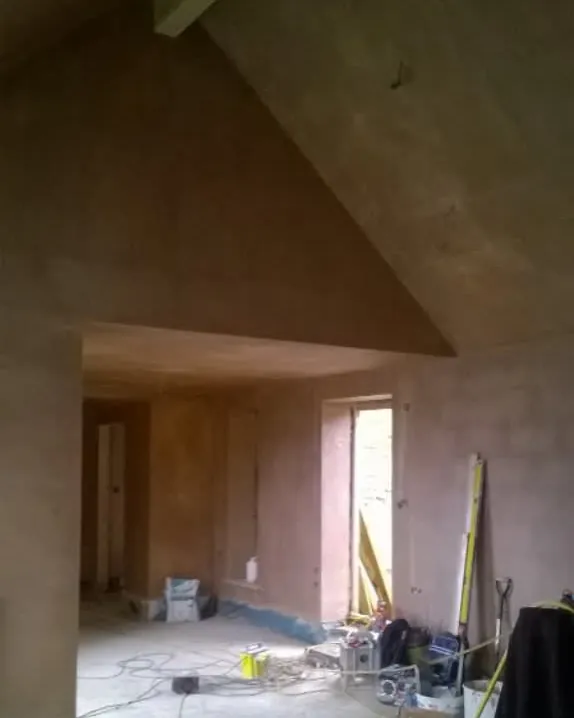
Recent work
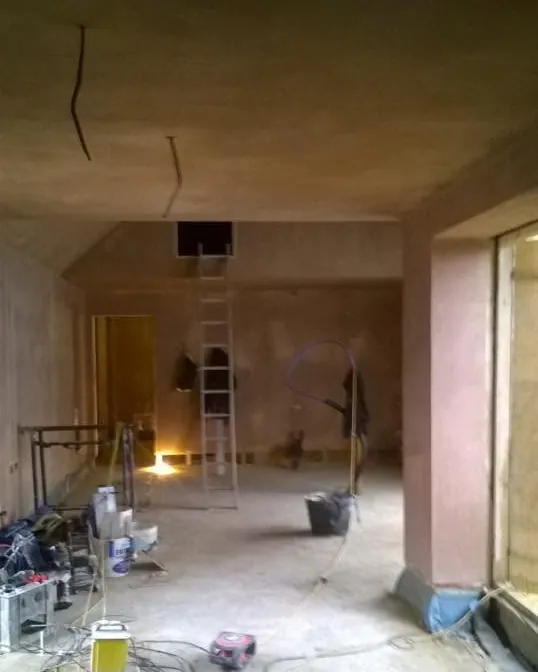
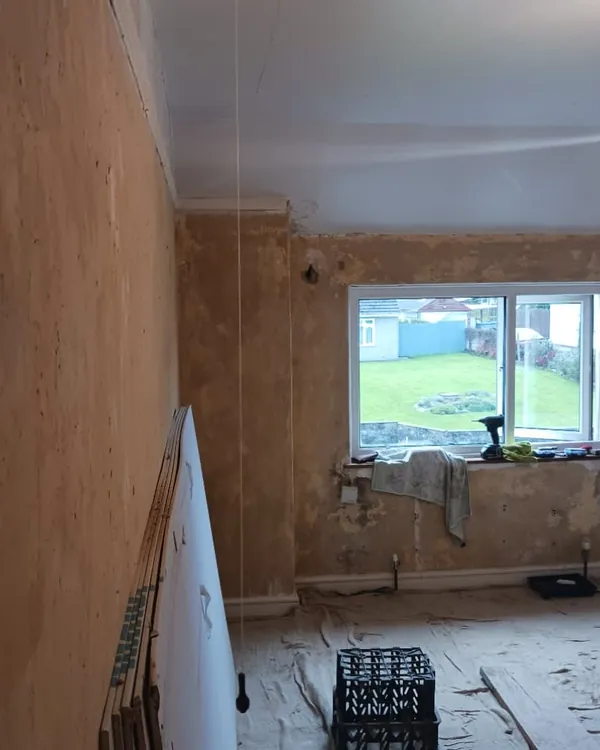
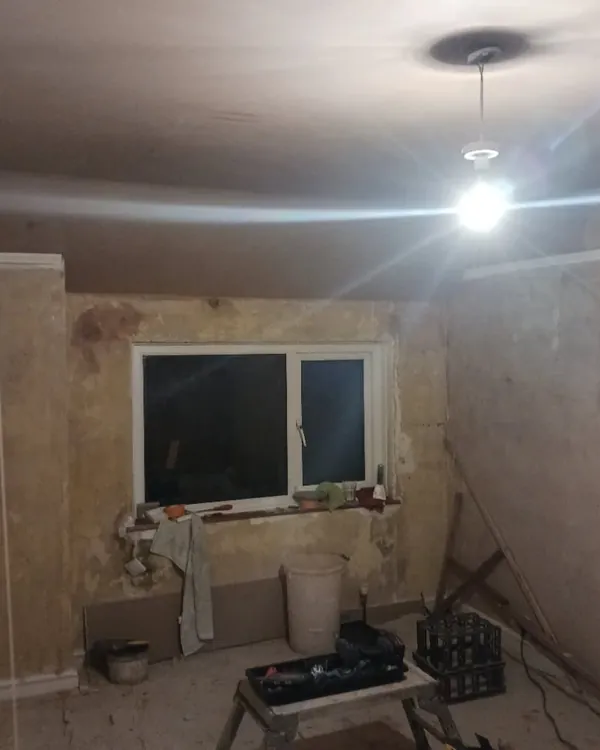
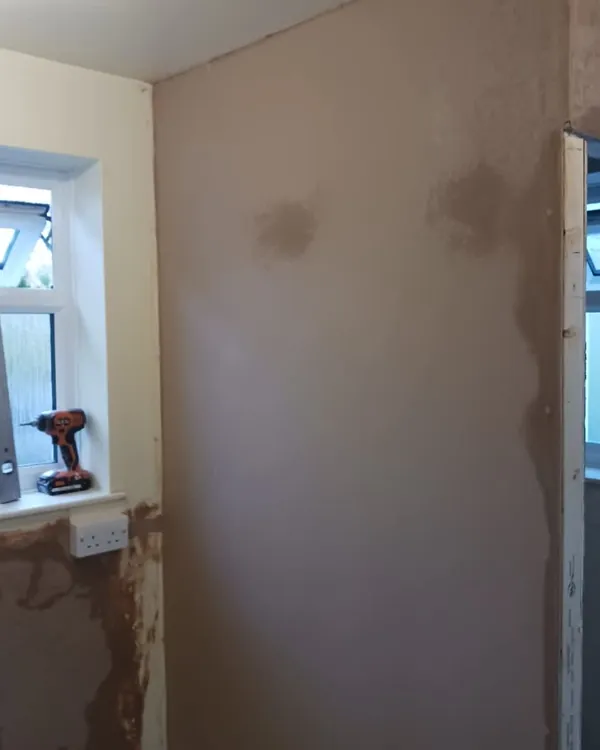
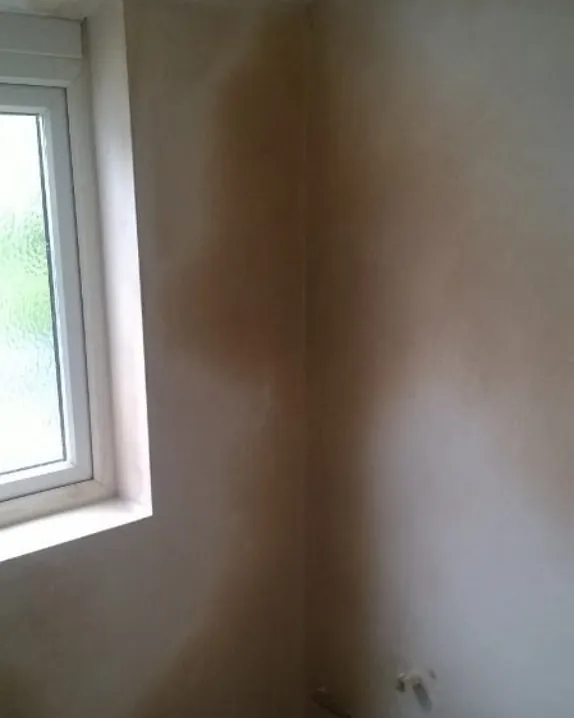
Plastering jobs in progress
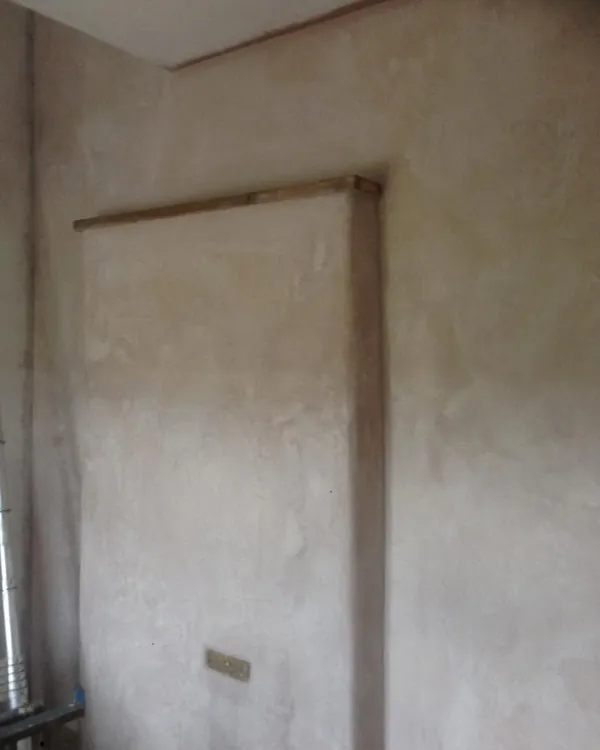
Walls at every stage, from stripped back to freshly finished. Every photograph is one of Sequoia Plastering’s own jobs.
Not sure what your walls need?
Describe the room and the problem. Ben will come and look, tell you whether it’s a skim, a re-plaster or a repair, and give you a free quote.